
Home » A Complete Guide to LONGNOSE PLIERS
A Complete Guide to LONGNOSE PLIERS
In the realm of hand tools, longnose pliers stand out as an indispensable instrument for both professionals and DIY enthusiasts alike. With their elongated jaws and tapered tips, these versatile tools enable users to reach into tight spaces and grasp small objects with remarkable precision. Whether you are an electrician working on intricate wiring, a jeweler crafting delicate pieces, or simply a homeowner tackling repairs around the house, longnose pliers offer a unique combination of functionality and ease of use that makes them a must-have in any toolkit. This comprehensive guide to longnose pliers delves into their various types, applications, and features, providing readers with a thorough understanding of how to select and utilize these tools effectively. We will explore the anatomy of longnose pliers, detailing the significance of each component—from the gripping surfaces to the pivot point—and explaining how these elements contribute to their overall performance. Furthermore, we will highlight essential tips for maintenance and care to ensure that your pliers remain in optimal condition for years to come. Beyond just the basics, we will also discuss the different variations available on the market, including needle-nose pliers and their specialized counterparts, helping you make informed choices based on your specific needs. Whether you are a novice looking to enhance your tool collection or a seasoned professional seeking to refine your skills, this guide aims to equip you with the knowledge necessary to harness the full potential of longnose pliers in all your projects.

Understanding Longnose Pliers: Features and Benefits
Longnose pliers, known for their distinctive elongated and pointed jaws, are essential tools in various trades and DIY tasks. Their unique design allows users to reach into confined spaces where standard pliers might not fit. These specialized tools are particularly beneficial for precision work such as bending, twisting, or cutting wire. Moreover, they offer a strong grip on small objects, making them invaluable in electronics, jewelry making, and mechanical repairs.
One of the most significant features of longnose pliers is their versatility. Their pointed shape allows for access in tight spots, providing control and precision that is vital in delicate tasks. Additionally, their insulated handles offer grip and comfort, reducing hand fatigue and improving safety during prolonged use. The jaws are typically made from hardened steel, ensuring durability and the ability to withstand pressure without deformity.
The benefits of longnose pliers extend beyond just their practicality; they are also crucial in ensuring safety in specific jobs. For instance, when working with electrical components, the insulated handles help prevent shocks, offering an added layer of security. This utility, combined with their precision, makes longnose pliers a staple in any toolkit, whether professional or personal.
Types of Longnose Pliers: Which One is Right for You?
Longnose pliers come in various types, each designed to tackle specific tasks more effectively. Whether you are a professional tradesperson or a DIY enthusiast, choosing the right type of longnose pliers can make your job much easier and more efficient. One common type is the standard longnose pliers with straight jaws, ideal for general-purpose use including gripping, bending, and cutting wire.
For tasks requiring more force, such as cutting thicker wires or dealing with heavier materials, heavy-duty longnose pliers are recommended. These pliers have sturdier construction with reinforced jaws and handles, providing additional leverage and power. On the other hand, if your work involves intricate jobs like jewelry-making or dealing with tiny components, mini longnose pliers offer the precision and control necessary for handling delicate materials without damage.
When selecting longnose pliers, consider the material of the jaws as well. High-quality steel offers better durability and resistance to wear, which is essential if the tool will be used frequently. A comfortable, non-slip handle design is also important for prolonged use, reducing hand strain and enhancing work efficiency. By understanding the different types of longnose pliers, you can make an informed decision that best suits your specific needs and tasks.
Key Applications: When to Use Longnose Pliers
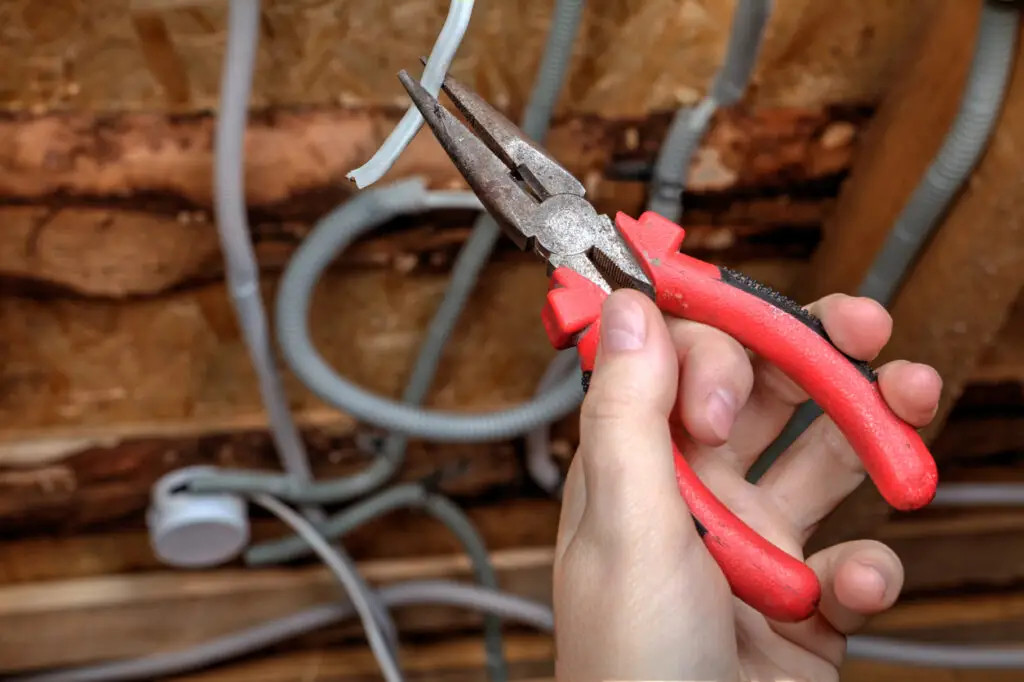
Longnose pliers are incredibly versatile and applicable in a wide range of scenarios, making them an indispensable part of any toolkit. One of their primary uses is in electrical work, where their insulated handles and precise jaws allow electricians to safely and accurately manipulate wires and components. This feature is particularly critical for tasks that involve reaching into tight panels or working with intricate circuits.
These pliers are also highly valued in the world of crafts and jewelry making. The fine tips of the longnose pliers are perfect for shaping and cutting small wires, holding delicate components without causing damage, and adding details to creations. Similarly, in mechanical or automotive repairs, longnose pliers can be used to reach and grip small parts or fasteners that are located in hard-to-access areas under the hood or within machinery.
Additionally, longnose pliers are useful for hobbyists and DIY projects at home. Whether you’re fixing a broken appliance or assembling a piece of furniture, these pliers offer the precision and functionality required to work with small parts and components securely. Understanding when and how to use longnose pliers can significantly enhance the quality and efficiency of your work, making them a go-to tool for both professionals and casual users.
Essential Techniques: How to Properly Use Longnose Pliers
Longnose pliers, often recognized for their slender, pointed design, are indispensable tools in both professional and personal toolkits. Their unique shape allows for high precision in various tasks, particularly where space is limited or intricacy is required. To properly utilize longnose pliers, it’s essential to understand both their capabilities and limitations.
Firstly, consider the best applications for longnose pliers. These pliers excel in tasks involving gripping small objects, bending wire, or reaching into tight or awkward spaces where other tools simply cannot fit. For electricians, jewelry makers, and hobbyists, mastering these uses is crucial. For instance, when gripping small jewelry components, applying steady and even pressure with longnose pliers is vital to avoid damage.
Proper technique involves holding the pliers correctly, ensuring a firm grip on the handles while maintaining optimal control over the tool’s motion. This prevents slippage, which could lead to mistakes or injury. Additionally, always use the right section of the pliers for the task at hand – the tip for precision blending and gripping, and the inside surface for secure holding of objects.
When cutting wire, use the inner blades of the pliers near the joint to leverage strength and achieve a clean cut. Remember, longnose pliers are not designed for heavy-duty cutting or engaging in tasks requiring significant force, which can damage the tool or result in unsatisfactory outcomes. With the right provisions, longnose pliers can be an essential and versatile instrument in your tool arsenal.
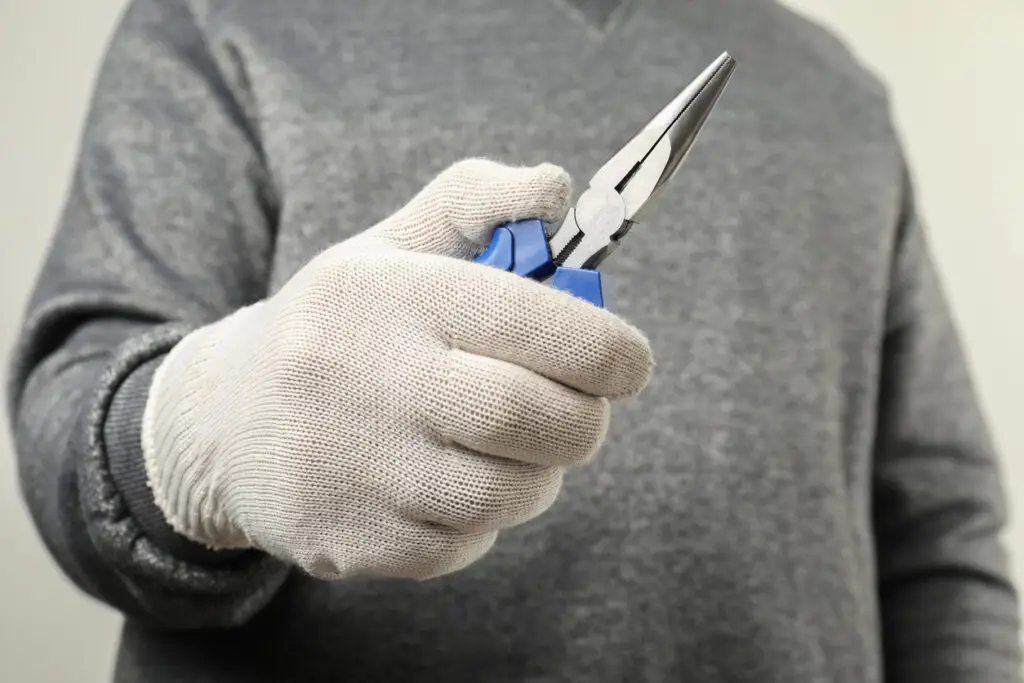
Maintenance Tips: Keeping Your Longnose Pliers in Top Shape
Like any tool, longnose pliers require regular maintenance to ensure longevity and preserve their effectiveness. By incorporating a few straightforward maintenance practices, you can keep your pliers performing optimally for years to come. Maintenance is not only about ensuring functionality but also about observing safety by preventing tool failure.
Begin by regularly inspecting the pliers for any signs of wear and tear or rust formation, especially around the pivot joint. This part tends to accumulate grime and is susceptible to corrosion over time if not cleaned and lubricated. A light application of oil can keep the movement smooth and prevent rusting.
If your longnose pliers have cutting edges, ensure they are sharp and free of nicks. Dull blades not only hinder performance but also pose a safety risk. Employ a sharpening tool specifically designed for fine implements to restore the precision of the cutting edges.
Keep your pliers clean by wiping them down after each use with a soft, dry cloth to remove any adhesives or residues from the materials they have interacted with. Storing them in a dry, temperature-controlled environment can prevent exposure to moisture and environmental factors that contribute to degradation.
Proper maintenance extends beyond the tool itself to include the work environment. Keeping your workspace organized minimizes the chances of dropping and damaging your tool. Following these maintenance tips can keep your longnose pliers in excellent condition, maximizing their utility and adding significant value to every project.
Safety Precautions: Using Longnose Pliers Safely
When working with longnose pliers, safety should always come first. To avoid accidents, ensure that you have a clear workspace to prevent tripping or knocking over tools. Always wear appropriate personal protective equipment such as safety glasses to protect your eyes from potential debris. It’s also crucial to inspect your longnose pliers before use. Ensure the pliers’ joints are tight yet smoothly operating and that the handles are not worn or damaged, reducing the risk of slipping. A common safety tip involves using the pliers for their intended purpose; overloading them can cause metal fatigue and compromise their structure. Lastly, storing pliers properly can prolong their lifespan and maintain their effectiveness. Hang them or keep them in a toolbox in a cool, dry place to prevent rust and corrosion. By following these safety precautions, you can work efficiently and safely with longnose pliers.
Comparing Longnose Pliers with Other Pliers: Pros and Cons
Longnose pliers, often praised for their versatility, offer both advantages and limitations compared to other pliers types. They are exceptionally effective for reaching into tight spaces, thanks to their slender, elongated nose. This characteristic makes them ideal for precision work, such as bending small wires or gripping tiny components. However, the thinner design might not withstand as much mechanical stress as pliers intended for heavier use. Unlike robust linesman pliers, longnose pliers might not be well-suited for cutting or twisting thicker gauge wires, where greater leverage is required. Despite this, their fine-tipped nose allows for detailed manipulation, which is beneficial in electronics, jewelry making, and crafting. When selecting pliers, consider the specific tasks they will perform. While longnose pliers are excellent for precise interventions, other types, like tongue-and-groove pliers, might be more suitable for larger, sturdier applications.
Top Brands and Models of Longnose Pliers: A Buyer’s Guide
Choosing quality longnose pliers can significantly affect your tool performance and longevity. Among the top brands known for their excellent craftsmanship and reliability are Klein Tools, Knipex, and Stanley. Klein Tools offers longnose pliers with innovative features like hot-riveting to ensure smooth operation and precise alignment. Knipex, a German brand, is celebrated for its durability and high-quality materials. Their pliers often come with comfort grip handles, a vital aspect when working for extended periods. Stanley, on the other hand, provides a wide range of options that balance affordability with quality, making them perfect for both DIYers and professional users. When buying, consider features like grip comfort, nose length, jaw hardness, and any additional features like integrated cutting edges. Selecting a reputable brand assures you of the durability and functionality essential for safe and efficient tool operation.
Common Mistakes to Avoid When Using Longnose Pliers
While longnose pliers are a versatile tool, several common mistakes can reduce their lifespan or compromise safety. One frequent error is using them to cut hardened wire or nails, which can damage the plier’s jaws. It is also not advisable to use them for loosening bolts or nuts since they are not designed for twisting forces. Misuse can lead to deformation of the tool, rendering it ineffective. Another mistake is neglecting regular maintenance; tools that aren’t cleaned or lubricated can suffer from rust and reduced performance. Poor grip techniques, like holding the pliers too close to the joint, can lead to hand strain and decrease leverage, making tasks more difficult. Being aware of these pitfalls and avoiding them can preserve the tool’s integrity while ensuring safer use and better efficiency during tasks.
DIY Projects and Creative Uses for Longnose Pliers
Longnose pliers are not just a staple in professional settings; they also open up endless possibilities in DIY projects and creative applications. Home crafters and DIY enthusiasts can use these pliers for precise wire bending, making them perfect for jewelry creation or intricate wire sculptures. If you’re into model building, their fine points are great for handling delicate components, such as assembling miniatures that require a steady hand and precise grip. Longnose pliers are also handy for automotive repairs and electrical work around the house, aiding in clamping small parts or establishing secured connections. Furthermore, gardeners can use them to remove thorns from plants or small weeds from tight spots. These pliers are a prime example of multifunctionality, serving diverse roles in creative projects. Embracing their versatility can inspire new ways to approach handcrafting and repairs.
Comparison Table
Longnose pliers, also known as needle-nose pliers, are a versatile tool utilized across various fields such as jewelry making, electrical work, and general household repairs. To help users choose the most fitting type of longnose pliers for their specific needs, here’s a comparison table highlighting key features:
| Type | Material | Best For | Grip Design |
|---|---|---|---|
| Standard Longnose Pliers | Stainless Steel | Basic wiring tasks | Ergonomic rubber grip |
| Insulated Longnose Pliers | Chrome Vanadium | Electrical work | Insulated plastic grip |
| Mini Longnose Pliers | Carbon Steel | Intricate jewelry designs | Comfort grip with no-slip texture |
| Long-Handled Longnose Pliers | Forged Steel | Hard-to-reach areas | Long, slim grip for extended reach |
| Curved Longnose Pliers | Tool Steel | Angled work areas | Curved handles with cushion touch |
Examples
Longnose pliers are frequently used in a variety of scenarios. For example, electricians often rely on insulated longnose pliers to handle live wires safely, thanks to their protective grips and non-conductive materials. In jewelry making, mini longnose pliers provide precision necessary for manipulating small components and ensuring careful handling of delicate pieces.
DIY enthusiasts and household repair practitioners find longnose pliers indispensable when dealing with small screws or holding objects securely in tight spaces. Their slender, tapered jaws are specially designed to reach into places that larger grips cannot, making them perfect for tasks like bending or crimping wires.
Moreover, automotive mechanics might use long-handled versions to access parts deep inside an engine. Combined with their strong grip, they can easily twist or remove clips and clamps that are otherwise inaccessible. Curved longnose pliers, on the other hand, can offer the additional benefit of maneuvering around obstacles, making them ideal for projects needing angled access.
Conclusion
When it comes to selecting and using longnose pliers, understanding their various types and corresponding uses is essential for achieving optimum efficiency and safety. The diverse range of longnose pliers ensures that there is a suitable option for virtually every application, from electrical work and DIY projects to jewelry and automotive repair tasks.
The choice of material is crucial for durability and functionality, and users should select pliers based on their specific needs. For instance, stainless steel models offer adequate versatility for everyday tasks, while chrome vanadium versions provide additional safety for electrical applications. Furthermore, having the right grip design ensures both comfort and precision, thus reducing the risk of accidents or slips during use.
Maintenance of longnose pliers is another important consideration. Regular cleaning and proper storage can significantly extend the lifespan of the tool. Users should ensure that the pliers are wiped clean after use and stored in a dry place to prevent rust and wear.
Finally, observing safety tips while using longnose pliers is paramount. Always ensure the tool is in good condition before and after each use, and wear the appropriate personal protective equipment when necessary, especially during electrical work. In conclusion, with the right selection, maintenance, and safety practices, longnose pliers can become an indispensable tool in any toolkit, delivering precise results and ensuring safety across a plethora of tasks.